With more sunlight, flowers blooming and the start of bank holiday season, but just as many of us start to feel the effects of hayfever, dogs can also feel the effects of seasonal allergies.
Two things that look the same but aren’t
Similarly to humans, dogs have a tolerance threshold when it comes to allergies. If your dog has a food sensitivity that felt manageable through winter, it can suddenly seem worse, not because anything changed in their bowl, but because the immune system is already under more pressure. The additional burden of pollen season can push a dog over a threshold they’d been sitting just under.
Symptoms to watch out for are increased paw licking after walks, redness between the toes, rubbing the face, a coat that seems duller than usual, loose stools.
What’s worth adding to the bowl
If your dogs allergies are troubling them, it’s worth speaking to your vet for advice, but there are also foods that can help reduce the severity of the reaction.
Omega-3 fatty acids from oily fish are the most well-researched dietary intervention for dogs with skin allergies. EPA and DHA work as natural anti-inflammatory agents, and there’s solid clinical evidence that dogs supplemented with them show measurable improvement in atopic skin conditions. A sardine topper over existing food is one of the more straightforward ways to add this. Adding some whole air-dried sardines or tinned Spanish sardines is an easy way to boost omega-3, and both are single-ingredient toppers made with human-grade fish.
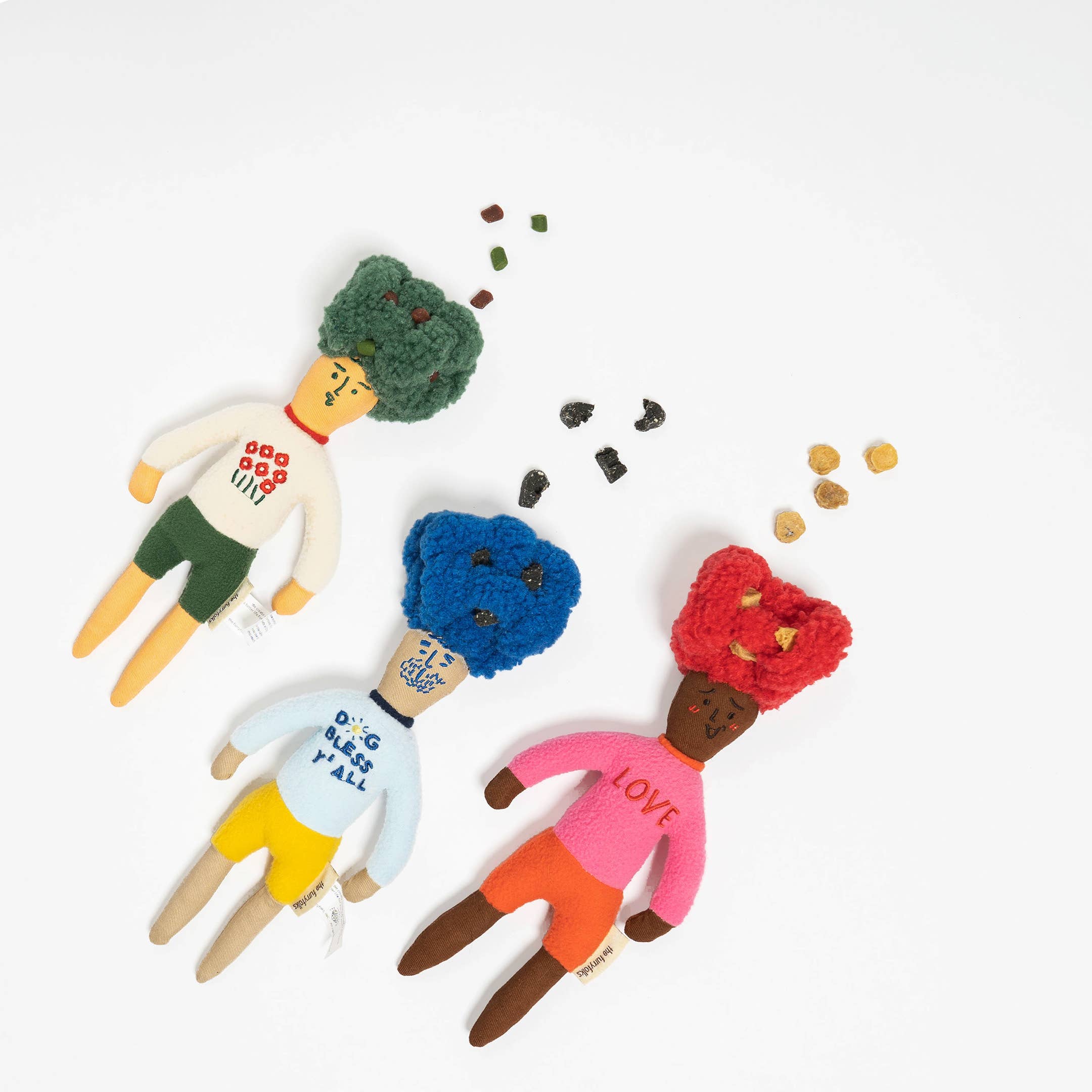
Broccoli is less talked about but worth knowing. It contains quercetin, a flavonoid that research suggests can help moderate histamine response - which is part of what drives the itching and inflammation in dogs. Freeze-dried broccoli is a low fat, single-ingredient option that works well as both a topper and a training treat.
A significant portion of immune function runs through the gut, so if your dog is prone to digestive upset alongside seasonal symptoms, something like pumpkin powder is a gentle addition that most dogs can tolerate because it supports gut health and digestion without introducing new proteins that could complicate things.
Spring cleaning
Grooming changes can make a big difference too. When our dogs are rolling around in long grass or walking under flowering trees, pollen can settle on their fur and irritate the skin. It can turn into a bit of a cycle, as they then lick to soothe themselves, which can make the irritation worse.
The warmer weather also means shedding speeds up in many breeds. When all that loose hair builds up, it can trap pollen and other allergens close to the skin. For dogs already dealing with seasonal sensitivity, that can make everything feel a bit more intense.
There are a few easy things that can help keep on top of it. Giving your dog a quick wipe down after walks can reduce how much pollen sticks around, especially on the legs and paws where most of the contact happens.
Bathing every four to six weeks with a allergen free shampoo can also help remove loose hair and stubborn pollen, without stripping the skin’s natural oils.
If your dog is licking their paws a lot, a paw balm can be a helpful extra step. Using it before walks can create a light barrier between their paws and whatever they’re walking through, and applying it afterwards can help keep the pads moisturised and less prone to irritation.